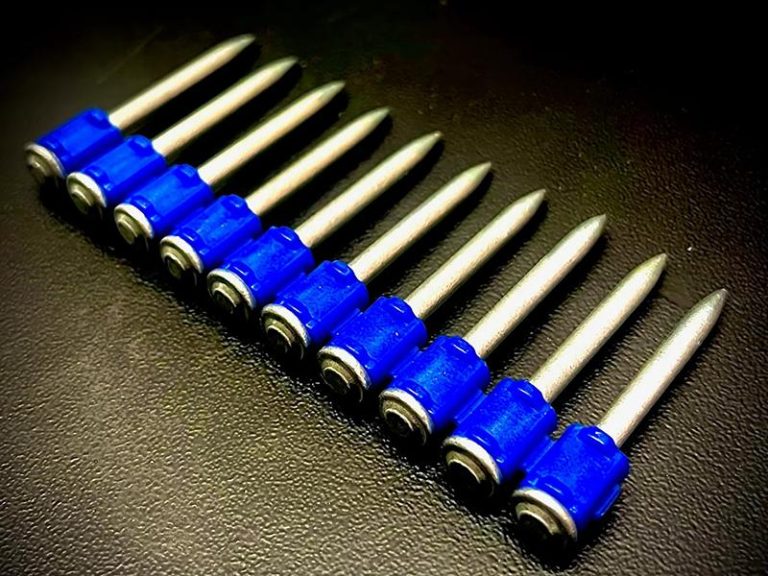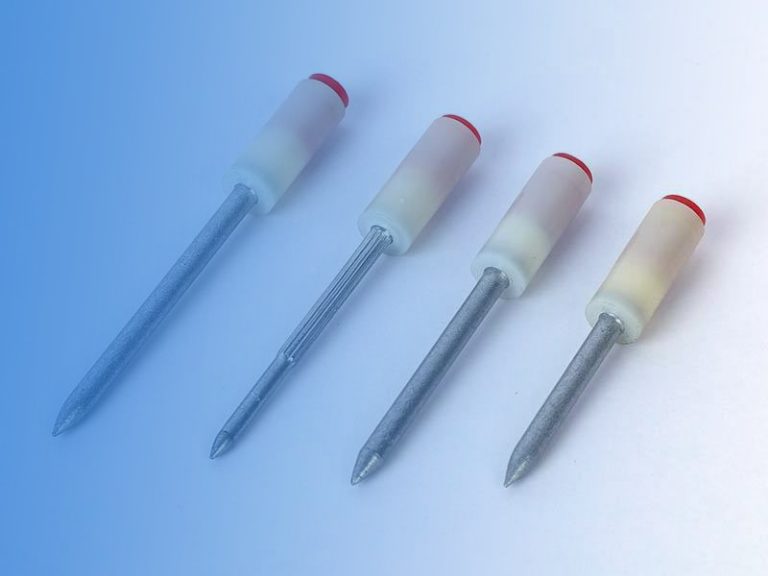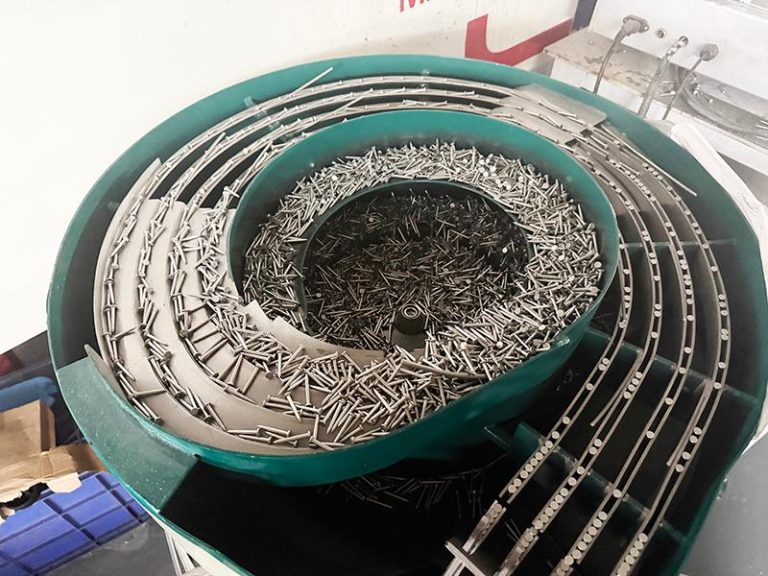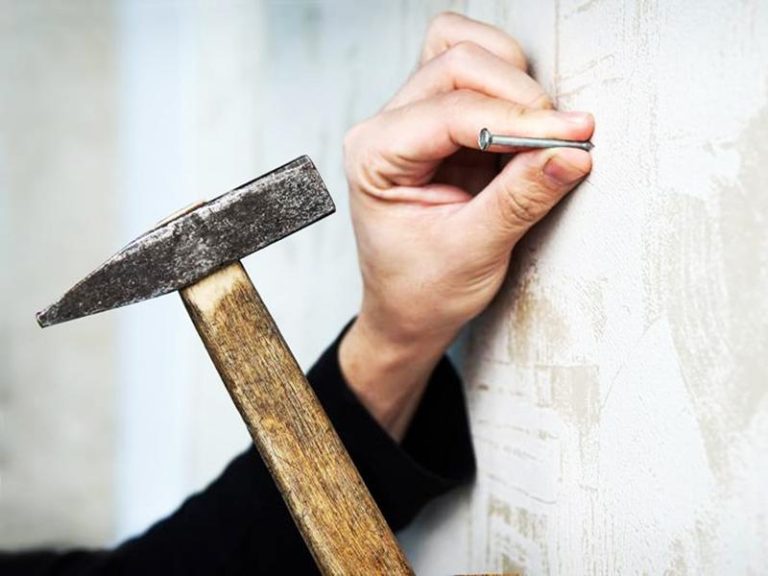


The shooting nail, often referred to in the industry as a powder-actuated fastener, is designed for high-velocity installation using specialized driving tools. The term “shooting” is derived from the propellant-driven action, which projects the nail into the base material with considerable force. This method offers a distinct advantage over conventional fastening techniques by enabling the creation of strong, permanent joints in a single, rapid operation.
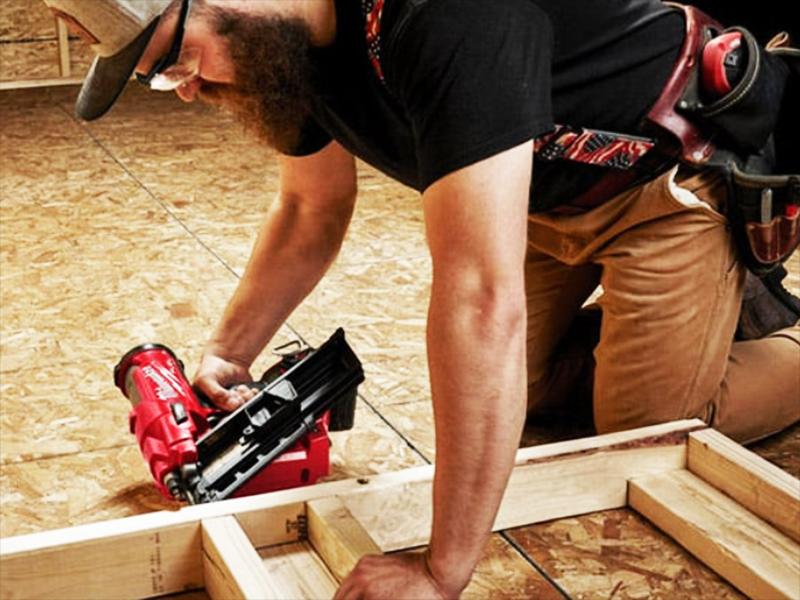
A critical characteristic of the shooting nail is its metallurgical composition. These nails are generally manufactured from carbon steel with a high degree of hardness to withstand the impact forces generated during installation. They are frequently treated with a corrosion-resistant coating, such as zinc or a specialized polymer, to ensure performance in various atmospheric conditions. The shank of a shooting nail may feature knurling or rings designed to improve grip within the base material, enhancing the overall pull-out resistance and ensuring the integrity of the fastened connection. These design features are the result of extensive engineering and testing to optimize performance and safety.
The selection of the appropriate shooting nail is dictated by the specifics of the application, including the type and thickness of the material being fastened, the nature of the substrate, and the required load-bearing capacity. Users must consult the manufacturer’s technical data to ensure the correct fastener is chosen. Safety protocols are also of paramount importance; operators must be trained to handle the driving tools and propellant charges correctly. When properly selected and installed, the shooting nail provides a robust, efficient, and reliable fastening solution across a wide spectrum of industrial and construction projects.