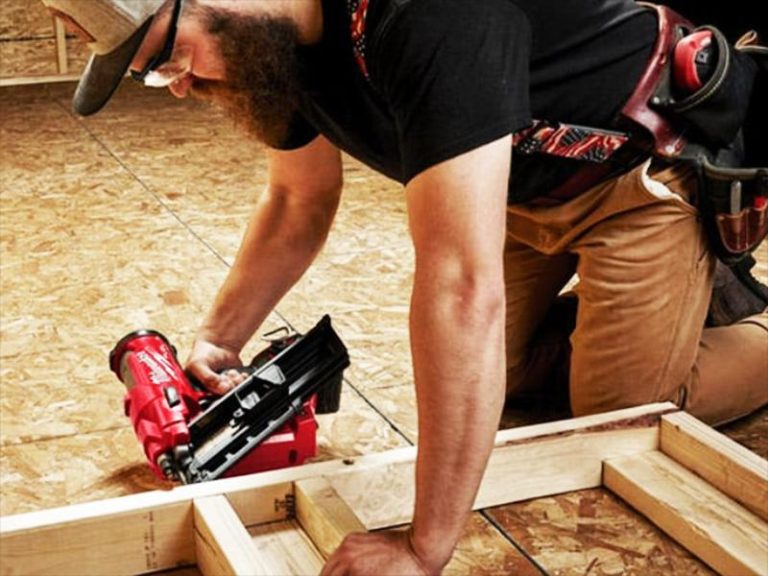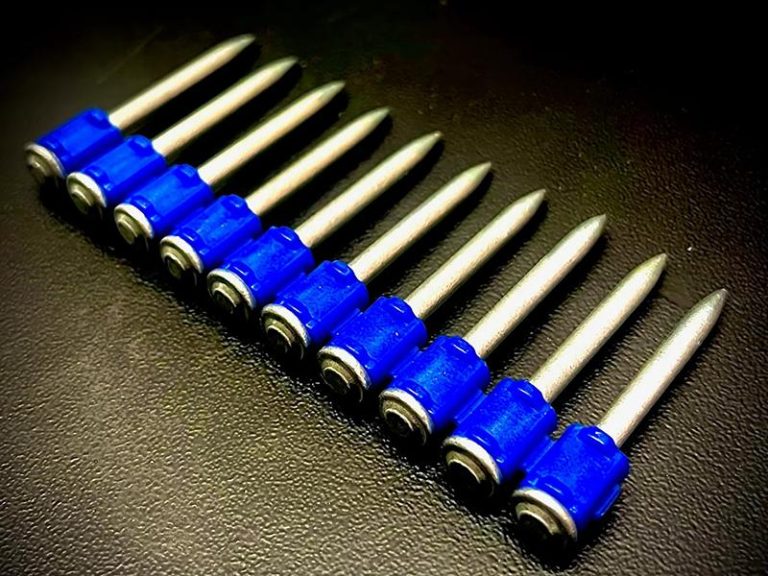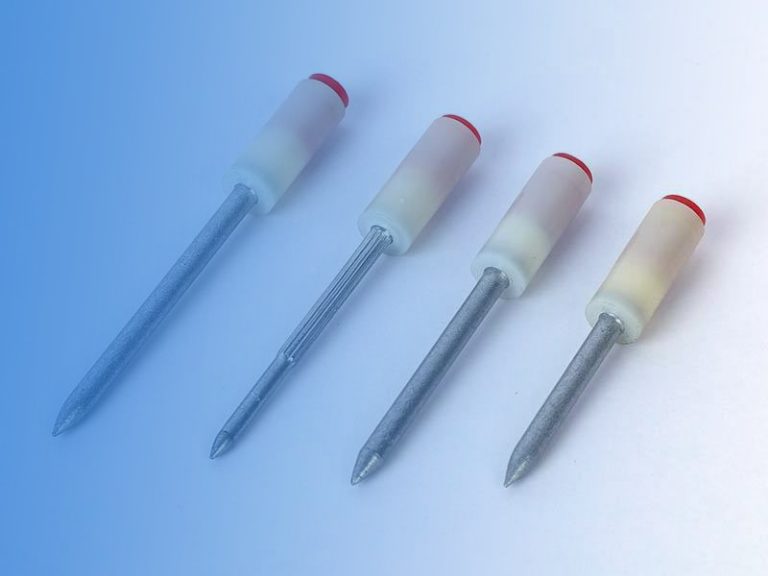


Concrete nails are specifically designed for secure attachment into concrete, a material renowned for its compressive strength and inherent challenges for fastening. These nails are distinct from standard wood or sheet metal fasteners due to their specific geometry, metallurgy, and installation method. The design of a concrete nail typically incorporates a fluted shank or special ribs that are engineered to bite into the concrete, providing resistance against pull-out forces. The head of the nail is usually countersunk to sit flush with the surface, ensuring a clean finish and preventing snagging.
The installation of concrete nails is predominantly achieved through powder-actuated tools, which provide the necessary impact energy to drive the nail into the dense material. The efficiency of this process is one of the primary reasons for its widespread use in the construction sector. Common applications include attaching wooden or metal framing, securing electrical conduit and junction boxes, installing insulation, and fixing wall coverings to concrete surfaces. The use of concrete nails in these applications eliminates the need for plastic anchors or expansion bolts in many cases, leading to faster installation and reduced material costs.
Selecting the correct concrete nail is crucial for the success of the attachment. The nail’s length and diameter must be matched to the thickness of the material being fastened and the depth of penetration required for adequate holding strength. Additionally, the nail must be compatible with the tool used for installation. When installed correctly, a concrete nail forms a permanent, reliable connection that withstands both static and dynamic loads, making it an indispensable component in modern building practices and a fundamental product for any fastener supplier.