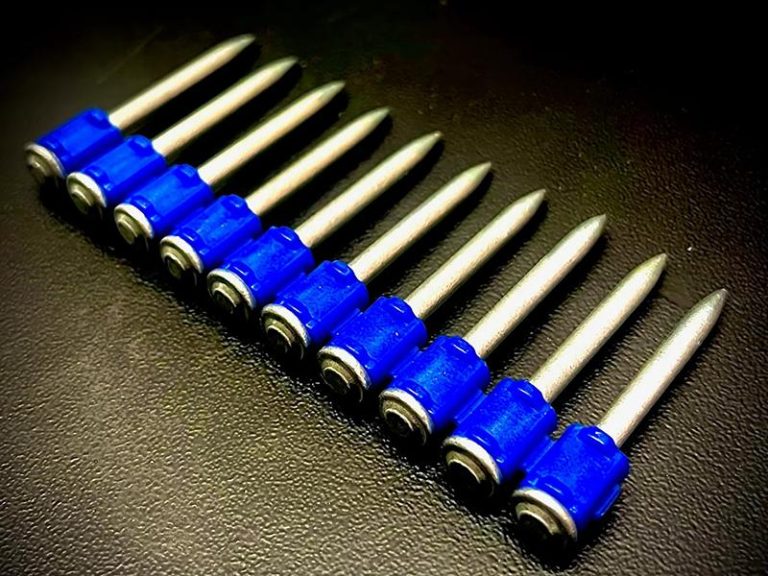


Masonry nails are specialized fasteners designed for use in a range of substrate materials including brick, concrete block, and stone. Like concrete nails, they are installed using powder-actuated tools, relying on high-impact energy for penetration. However, masonry nails are specifically engineered to address the distinct structural characteristics of masonry, which often presents a harder, more brittle surface than poured concrete. This requires careful consideration of the fastener’s design and material properties.
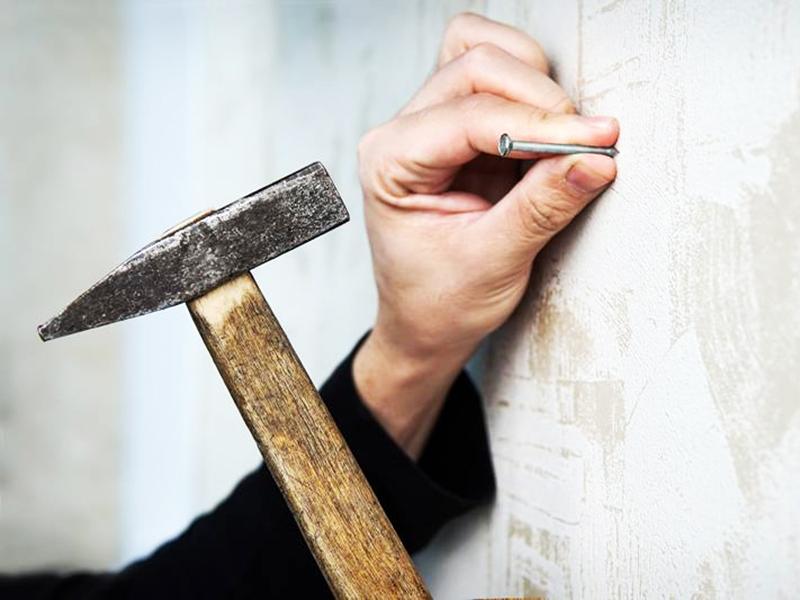
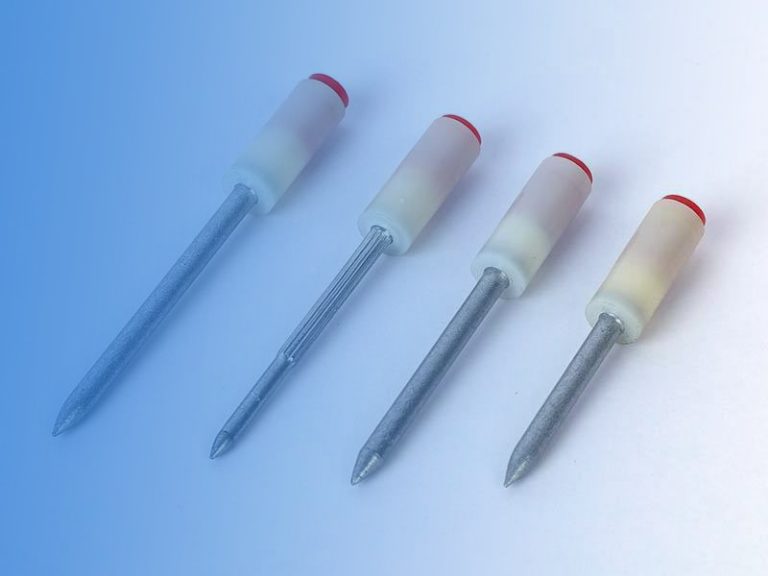
The geometry of a masonry nail is optimized to displace the brittle masonry material without causing catastrophic failure, such as cracking or spalling. This is often achieved through a carefully calculated shank diameter and point design, which minimizes stress concentration during installation. Hardened steel is the material of choice, providing the necessary strength to withstand the impact and to resist corrosion, a common concern in exterior masonry applications where the fastener may be exposed to moisture and temperature fluctuations.
Masonry nails are used extensively in the construction industry for applications ranging from attaching furring strips and lath to securing window and door frames. Their reliability and speed of installation contribute significantly to project efficiency. As with other powder-actuated fasteners, the correct selection of a masonry nail is dependent on the specific material and load requirements of the application. Manufacturers’ technical data sheets should be consulted to ensure optimal fastening performance, helping to achieve a durable connection that meets both safety and structural integrity standards.