
The integrated nail represents a significant evolution in fastener technology. Unlike conventional fasteners, the integrated nail is a self-contained unit comprising a hardened steel nail, a propellant charge, and a plastic retainer, all pre-assembled for direct use with powder-actuated tools. This design eliminates the need for separate anchors or drilling, enabling rapid, single-step fastening into concrete, steel, and masonry substrates.
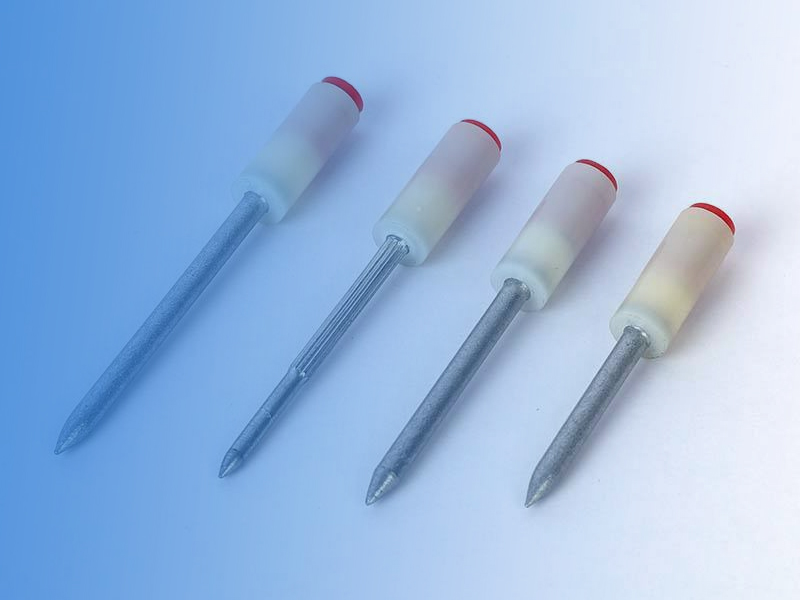
The primary advantage of the integrated nail lies in its operational efficiency. By combining the energy source and the fastener into one component, it streamlines the installation process, reducing both labor time and the number of individual parts required on site. This is particularly beneficial in large-scale construction and renovation projects where speed and consistency are critical. Furthermore, the integrated design contributes to a higher degree of fastening reliability, as the controlled combustion of the propellant ensures consistent driving force and depth, minimizing the risk of under-driven or over-driven fasteners, which can compromise joint integrity.
From a material standpoint, the nail itself is typically manufactured from high-carbon steel, often with a specialized coating to enhance corrosion resistance and ensure long-term durability in challenging environments. The plastic retainer serves multiple functions: it guides the nail during driving, seals the propellant chamber, and provides a degree of insulation against moisture and debris, all of which contribute to the fastener’s overall performance and longevity. As such, the integrated nail is not merely a component but a sophisticated fastening system that has become indispensable for modern, high-efficiency construction methodologies.